Your Write to Live

change-your-life.png

Everybody’s got a story to tell. Whether you’re recounting your real life experiences or engaging your imagination as you day dream about fictional characters, we all connect through stories. Storytelling has been around long before the written word and has been a vehicle to illustrate life lessons.

Back in the Hunter Gatherer days, a hunter may have recounted his run in with a deadly boar and lost a limb, so he would gather everyone around the camp fire and tell his story to make a point: “don’t mess with the boar or you get the horns. Now let’s make long pointy things to stab them with so we don’t have to fight bare handed.”

Yes, that’s a true story. To some degree.

Now I’m pretty sure they didn’t talk like that back in the day, but the lesson and experience is universal: mistakes were made and a committment to improvement was made to mitigate any future problems. That’s all stories really do in the end. They reveal human folly, illustrating just how flawed and fallible we are, but also celebrate our capacity to correct course.

Think of your favourite stories. What do they all have in common?

Whether you’re aware of it or not, they all feature a variety of fuck ups made by the main characters, and you got worried about them. You wanted them to achieve their goals, but something got in the way. You related to how they felt when they didn’t get what they want, thus invoking a sense of panic in you to the point where you couldn’t help but turn the page or watch the next episode to find out if they could escape a dreadful situation and come out on top.

Now think even deeper, further beyond the surface situation your favourite characters were confronted with. Think about what their goal was and what it meant to them, what it meant to those around them in their immediate world, and to the entire world at large. Was there a higher purpose to strive for? A moral principle to be uncovered? Some hidden nugget of human knowledge, new or old, that would benefit the growth humanity?


If that sounds too abstract let me give a few brief examples of how there’s so much more beneath the surface when it comes to popular stories:

The Lovely Bones by Alice Sebold is fundamentally about grieving the death of a child, as the story goes, but also serves as an allegory for Alice’s survival as a rape victim herself. She may have survived physically, but mentally, a part of herself died and was reborn into Susie Salmon, the novel’s main character.

Tarzan by Edgar Rice Burroughs is fundamentally about human adaptability. How we are much weaker we are compared to other species, but it’s our wit and human invention that allows us to conquer even the most dangerous of beasts and environments.

Me Before You by Jojo Moyes is fundamentally about self-ownership and personal choice when it comes to suicide. It may have the basic components of a romance novel; boy meets girl, boy can’t stand girl, but will later need girl. But at it’s core, it’s about the difficulties of living with a disability and the moral complications of suicide.


Now before I go on a long winded bender pointing out the deeper meanings of stories and shamelessly advertising my old BSBS Reviews (for those of you who clicked the links per title), here’s the bottom line:

Storytelling is fundamental to the human experience.

The human experience is fundamental to storytelling.

Writing and telling stories is how we validate our experiences in stylized fashion, emphasizing certain details to illustrate a point and engage each other. Stories invoke empathy, inspire action, and challenge our preconceptions of the world.

Consuming a story is basically putting yourself in a state of voluntary vulnerability in order to experience somebody else’s point of view and learn from their trials and tribulations so you can further improve the use of your own thoughts, words, and actions.

And then on the flipside you can tell your story to provide that experience for others.

It’s Our Write to Live.
My Write to Live

blood on paperWhen I was a teenager I had suicidal thoughts, and on some unfortunate occasions, suicidal tendencies. I was bullied by the other kids and wanted to turn to the school staff for help, but most of the teachers I had were authoritarian tyrants or simply uncaring of my well-being. A vice principal I once had talked at me with throwaway advice without taking any time to understand how I truly felt. That same vice principal would later in the year fail to prevent a fist fight I got into, even though I had provided him a ton of evidence it was going to happen. Needless to say, I didn’t have the school staff’s trust because whenever I would defend myself from bullies, I would be the one who would get in trouble and shamed for my behaviour, for my emotions. With nowhere to go and no one to turn to, not even my own family, I felt completely and utterly alone.

Or so I thought.

One of the few things I would find solace in was the music of Korn, along with other angsty nu-metal bands, but Korn was my all time favourite since I was a kid. I related to the raw frustration Jonathan Davis’ lyrics were written with and they inspired me to write some of my own in the same vain. Whether the lyrics were about the bullies I wanted to take down, the girls who rejected me, or the general feeling of emptiness by the end of the school day, I wrote lyrics to release these feelings somewhere safe where I wouldn’t get in trouble or be shamed for my behaviour, or my emotions.

Fast forward to my adult years, there was a time where my life was falling apart far worse than I had experienced in my teen years. To name very few issues I had out of a myriad of others, I was getting into intense fights with my family, had to leave a writing critique group due to fundamental philosophical differences, and worst of all found out that an ex-girlfriend of mine had committed suicide.

It was August 2014, I was unemployed and directionless. I had very little money left from a caregiving job I was severely underpaid for and felt empty. Now having grown up and survived my adolesence, I no longer contemplated suicide, especially considering the tragedy of my ex-girlfriend. I no longer cut myself and no longer imagined myself beating my chest until my heart gave out, but I still felt like my life was meaningless and that I didn’t have much reason to live.

Not until I journaled about everything that has been going on for me at the time. Not until I remembered that I had a half finished 2nd draft of a novel just sitting on my computer left untouched for many months. That novel of course was It Starts at Home, the very same anti-child-abuse themed novel that I had fundamental philosophical differences about with my writing group, likewise with my family, both of which, of course, are stories for another time.

For many months after leaving my writing group, I felt discouraged from ever writing again. But when I got back into it and got on my way to completing the second half of the 2nd draft, those feelings of inadequacy and meaninglessness disappeared. Those feelings of regret over my existence were all gone as well, for I rediscovered the joy and meaning I found in writing this story. Sure I picked myself up, applied for work, and got two jobs I put a ton of passion into, but they could never compare to my true calling. My true calling that I drowned out with the noisy distraction called “work.”

Of course! The answer to the question “what am I gonna do with my life?” has been right in front of me all this time, right under my nose, hiding in plain sight: I need to write.

And I stress the word need because writing is a necessity to my life just as much as blood is. To me there is no difference between the blood that drips through my veins, and the ink I bleed on to the page.

I was born a writer. Even when I was as little as seven years old I would skip school to write stories and draw comic books. I’m in love with stories. Whether they’re acted out in a TV show or film, printed in a book or set of lyrics, stories are what makes my life worth living. Not to mention the stories of our lives as I also find a great interest in the real life stories of those around me. All of our lives on this planet are a bunch of stories complete with their own twists and turns, character development arcs, and crossover narratives.

Stories, in any form, help me feel like I’m not alone. To know that others feel the same way I do about life and the human condition, that makes my habitual confusion and anxiety managable. From the lyrics and books I’ve read, movies and TV shows I’ve watched, all my favourite stories have resonated with me on an emotional level. They put the storm in my head into words and action, sequenced in honely crafted narrative that express the growth of character and the universal human desire to overcome life’s many obstacles.

As a writer, this is what I want to achieve. I want to strike a chord in those who read my lyrics, comfort those who will read my books, and let them know that all these confusing and conflicting emotions are all part of simply being human, and although there is no cure to them, they can be managed and understood.

As a writing coach, this is what I want to inspire in other writers. I want to help other writers, as I’ve painstakingly helped myself, to realize the power they have in putting their innermost vulnerable thoughts into the written word. The power to make readers, like myself, feel a lot less alone when life gets them down and when meaning seems all but lost.

The written word is My Write to Live.

It’s Your Write to Live.

Blooper Reels and Humility

woopsI don’t know about you, but I personally love watching blooper reels from TV shows and movies. It’s nice to see the imperfections in performances before the piece gets polished up into consumable perfection. But while it is enjoyable to watch highly skilled and highly paid actors mess up their lines, break character, and fumble over their words, it is often hard to look at our own mistakes with the same amusement.
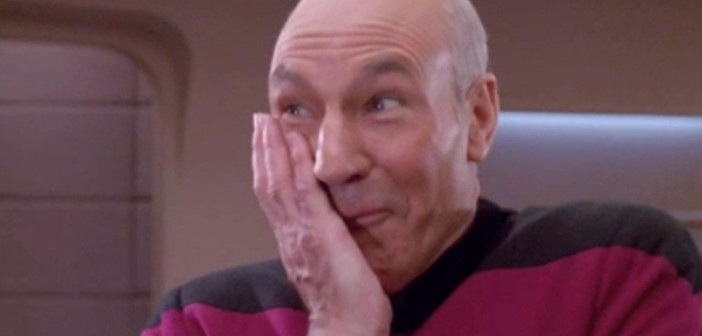
Why is that? I think I’m starting figure out what it is about blooper reels that make them so appealing, and before I shed my thoughts on that that, allow me to share the process that sparked my revelation.

Today, I am trying to edit my BSBS Review for The Girl on the Train and the whole recording process took about an hour and a half to do last night. This includes me gaining momentum in delivering my point, only to lose steam, delete the recording, and start all over again. The more I record, the more I have to edit, and I often fear that process.

It’s the same almost every time; I feel like I need to get it right the first time or I shouldn’t keep the recording. Then I eventually  tell myself that this is what I have editing software for! To cut through the awkward pauses between my points and compress them together in a deliverable format. Even then, it’s a battle between getting it perfect and getting it done.

When it comes time to editing, that’s where the real fun begins. That’s where I can create the illusion that I am a coherent speaker who can stay on point and deliver my message clearly and concisely–when in reality, everything that happened in between some of the cuts is anything but concise, clear, or coherent.

The more mistakes there are, the more shame I feel about it. I have all these thoughts and opinions about a story locked up in my head, all begging to be expressed or it’s going to bug me for not being able to share it. Having difficulty in conveying my thoughts adds to the pressure of wondering if it’s even worth doing these reviews considering that my videos have had hit or miss engagement in terms of viewership, comments, and likes.

o-star-trek-the-next-generation-blooper-reel-facebook-702x336

Did I Really Just Say That?!

After an hour or two of editing the initial recording and cringing at my mistakes, I eventually start laughing at myself for not only the bloopers, but also laughing at how stressed out I get from them. I know it’s horrible, but I often compare my moments of impeded speech to the way that Jimmy Valmer kid from South Park stutters when he speaks. Sometimes to the point of taking a whole minute to say a simple five word sentence. And Jimmy has it worse!

When I’m finally done experiencing all this creative mania, I relax and decide to just get the job done.

It’s not about the viewership, the likes, or even the comments–though of course, these are things I would greatly appreciate. It’s more about me having fun with reading these books and giving myself the treat of watching it all play out on the big screen. Not to mention  the chance to goof off on camera and deliver my thoughts in a place that doesn’t remain stuck in my head are huge pluses.

Sometimes…

  • The first recording gets edited to completion and uploaded anyway. I realize it wasn’t as bad as I thought it was going to be.
  • The first recording gets edited to completion, but it still sucks despite my attempts at polishing it up. I see it as a rough draft/rehearsal to show me where I can improve in the re-recording.
  • Right away, I see how horrible it’s going to be. At least I don’t have to fear messing up THAT badly again, and I can jump back into the studio with much more confidence! I know I can do better, so I’ll do better.

Cut! Action! Print!

movie-production-clapper-board_249x201I’ve been doing BSBS Reviews for 9 months now and this is how it’s been for me. Today, I resolve to accept it as all part of the process. As much as I would like to get it all right the first time, it is incredibly rare for me to record a 15 minute video with not much editing required vs the usual 30-60+ messy minute mania.

Maybe one day I’ll be able to deliver my point without any editing and master this lip flapping, tongue slapping, noise making device installed in my face. Until then, I’ll keep practising and polishing up my craft.  I will accept that this may be my process for now or forever.

This is what made me realize why blooper reels are so fun to watch. There’s humility in showcasing some of the mistakes actors have made before post-production. It’s to show that they’re human too and just trying to find their way through the scene.

After all the missed cue lines and involuntary laughter, they eventually get it done. And more importantly, even though there is work to be done, the production can still have fun in the process. It’s nice to hear laughter erupting in the background from the people who are off screen, along with the ones on screen, because that signals to us that it’s okay to make mistakes and try again.

We just have to keep working at it until we get it right. If we care enough about what we want to create in our lives, we push through all the difficulty and learn from our mistakes. After all, every expert out there was once an awkward novice. No one is born skilled. Talented maybe, but I agree with Will Smith when he says talents are useless until you practise to turn them into skills.

The final product may be close to perfect, but the process doesn’t have to be. Creation is usually a messy experience, but that’s where the fun is at!

The Four Pillars of Fiction BONUS Post: Putting it into Practice

I am very glad that everyone has enjoyed the recent series I’ve written on The Four Pillars of Fiction, so much so that I’ve broken records in terms of daily viewership and followers gained per post.

So thank you very much for the views and follows!

If you’ve found these posts helpful and think others can benefit, feel more than free to share it around, I would be greatly honoured!

To top off this delicious cake of blog posts, we’re gonna smear on some icing in the form of examples straight from my own novel It Starts: at Home.

Building It Starts: at Home With the Four Pillar Structure

In the following graph, I have outlined the story’s Plot, Location, Objective, and to prevent spoilers, I’ll allow the chracter graph to illustrate the Tenacity.

I’ll keep everything after the rising action the same just so you get an idea of how those questions become important in relation to what I have introduced in my PLOT.

It Starts: at Home Spoiler Free PLOT Graph

It Starts at Home Plot Graph Spoiler Free

Characters With Similar Differences

The main characters of my story seem like complete opposites at first glance, but they share the same kind of vulnerabilities…that take on different forms from each other.

Sorry if that sounds confusing, but basically the plot revolves around how parenting effects young adults, how they end up treating each other at school due to their upbringing, and ultimately in the form of issues surrounding self esteem and popularity.

The way these characters compliment each other and clash against each other looks a little something like this:

Johanna and Britney's Similar Differences

The Settings Surrounding the Homes

As I’ve said earlier in this series, my favourite setting is comtemporary so that I can focus much more on the character development and interpersonal relationships. All of which is possible in a much more advanced setting than mine, but here’s a rough sketch of what this basic world looks like.

It Starts at Home Settings

Thus Truly Concludes The Four Pillars of Fiction Series

Thank you very much again for your time, and as always I hope you’ve enjoyed, and gained value, from The Four Pillars of Fiction series.

Let me know if the points I’ve made in the series were much better having been substantiated by my own story’s examples, if you preferred the abstract one from the characters post, or the direct Inception example for settings.

I wanted to mix it up each post as I believe each method served the purpose it needed to for each pillar.

For those of you who are wondering how I made all of these graphs, I have been using Scapple, a top notch mind mapping program you can download at http://www.literatureandlatte.com

For dialogue examples from It Starts: at Home, click here for a full scene.

Til next time, keep on writing!

The Four Pillars of Fiction Part 4: Dialogue

So you got your plot, your characters, and the setting?

All that’s left to do is make these people talk, and following in the principle provided in this blog series, what they think and say needs to serve a purpose.

RM_05.15_ff_riskdialogue

Why Don’t You Say it to My Face?

When characters speak in fiction, it is meant to resemble a more concise version of human interaction. It subtracts the filler pleasantries and zooms in on the most important aspects of a conversation, and so any small talk topics like the weather and sports should be exempt from dialogue.

Unless, of course, weather and sports are important aspects of the story…

Otherwise we love experiencing fiction because we get to eavesdrop on people’s most vulnerable conversations.

Sound creepy? It kinda does, but these characters aren’t real!

Or are they?

Well, they are only as real as you can portray them in terms of their emotional reactions to their interactions with each other and the world you created for them.

Dialogue should reveal four things:

  • Plot
  • Setting
  • Character
  • Relationship

To reveal plot, characters need to talk about the central theme and objective in a way that lets you in on the most crucial concern in their world. Perhaps it’s poverty in a post-apocalyptic world, and so the characters will talk a lot about how there’s a shortage of food and shelter after some devastating event that destroyed their world.

Everything they talk about should be about survival and rebuilding their society. In doing so, they also get to reveal the setting since it serves as a backdrop for the plot.

Along with exposition and narrative, talking about the place they live in is another way to help describe the setting. As a viewer, we will see their world in a certain way, but it’s interesting to see when a character’s views contradicts ours.

Perhaps the post-apocalytpic world might seem bleak and hopeless to us, but the inhabitants and the way they speak can reveal how much hope they have in their own survival. Furthermore, it can reveal what kinds of bonds are created in such hardship.

As Long as We’ve Got Each Other

conversationSo on top revealing plot and setting, dialogue must also reveal character. When people talk, they are always revealing what they think and how they feel, whether they intend to or not. It’s inescapable. Each person is equipped with their own unique way of expressing themselves in terms of what they value and what they want.

Now it’s tricky because you don’t want your characters blatantly saying “we live in an apocalytpic world and starve every day.” You have to find a way that makes it sound natural, much like every day conversation, but of course remembering to always keep it concise and in relevance to the plot.

Life would be much easier if people were more direct and honest about how they feel and why they have those feelings, but we usually end up expressing all that in different ways that can be interpreted in different ways since we all have our own subjective experiences and opinions.

Because we all have such differing preferences and opinions, we often end up in arguments revealing what we all expect of each other and the world, thus revealing how we relate to each other. Where we differ and where we have commonalities is the bridge between two people, and there’s a push and pull dynamic that occurs in fiction and in real life.

We often want people to like the same stuff as us, but without the difference of opinion we would not have the privilege of being challenged to re-evaluate our values, feelings, and beliefs.

And that is the very point of fiction; to allow us to safely and passively experience a manifestation of our inner clash of values played out to us in another real with its own metaphysical and epistemological laws. With characters who represent different sides of ourselves and we get the chance to pick and choose, based on the consequences of their actions and interactions, what values and beliefs we must keep or discard–all done in a way that entertains us while informing us.

Semi-Final Words

Thus concludes The Four Pillars of Fiction series, thank you for your time. Let me know if these posts have been helpful and if you have any feedback or criticisms on how to possibly improve future and current writing tips, let me know! I’m always more than happy to hear your thoughts whether they’re simple kudos, questions, or criticisms.

Stay tuned for The Four Pillars of Fiction BONUS Post, where I will be using my own novels as examples for each aspect of fiction covered in this series…