Artistic Palate Cleansing

We all have our go to genres in terms of the art we appreciate. Some people prefer heady and cerebral crime thrillers, while others prefer action packed joyrides. And somewhere in between there are people like me who prefer emotionally gripping and schmaltzy interpersonal dramas. Couple that with the plethora of avenues to experience these kinds of stories—be it books, movies, or TV shows—and you’ve got yourself a vast world of creative works at your disposal, ready to be explored and enjoyed.

Whichever mediums and genres you prefer, you can always count on a piece of art to enrich your day. Whether you like to be immersed and give your mind something to chew on for a couple hours, or you simply want to turn your brain off and just enjoy simplistic artwork, it is important to note the role art plays in our lives and how deep it actually is regardless of the depth of the work itself.

It is in art that we find retreat, renewal, and rejuvenation, but if we stick to one genre and medium for too long, art can become more of a passive pastime activity instead of an active accelerator of time. And it is in that passage of time that determines whether we feel like we wasted it or truly enjoyed it as if it meant something in our brief time on Earth. That’s why, today, we will discuss the importance of cleansing your artistic palate so that we can get the most out of the art we consume in our lifetime.

Retreating Into Art
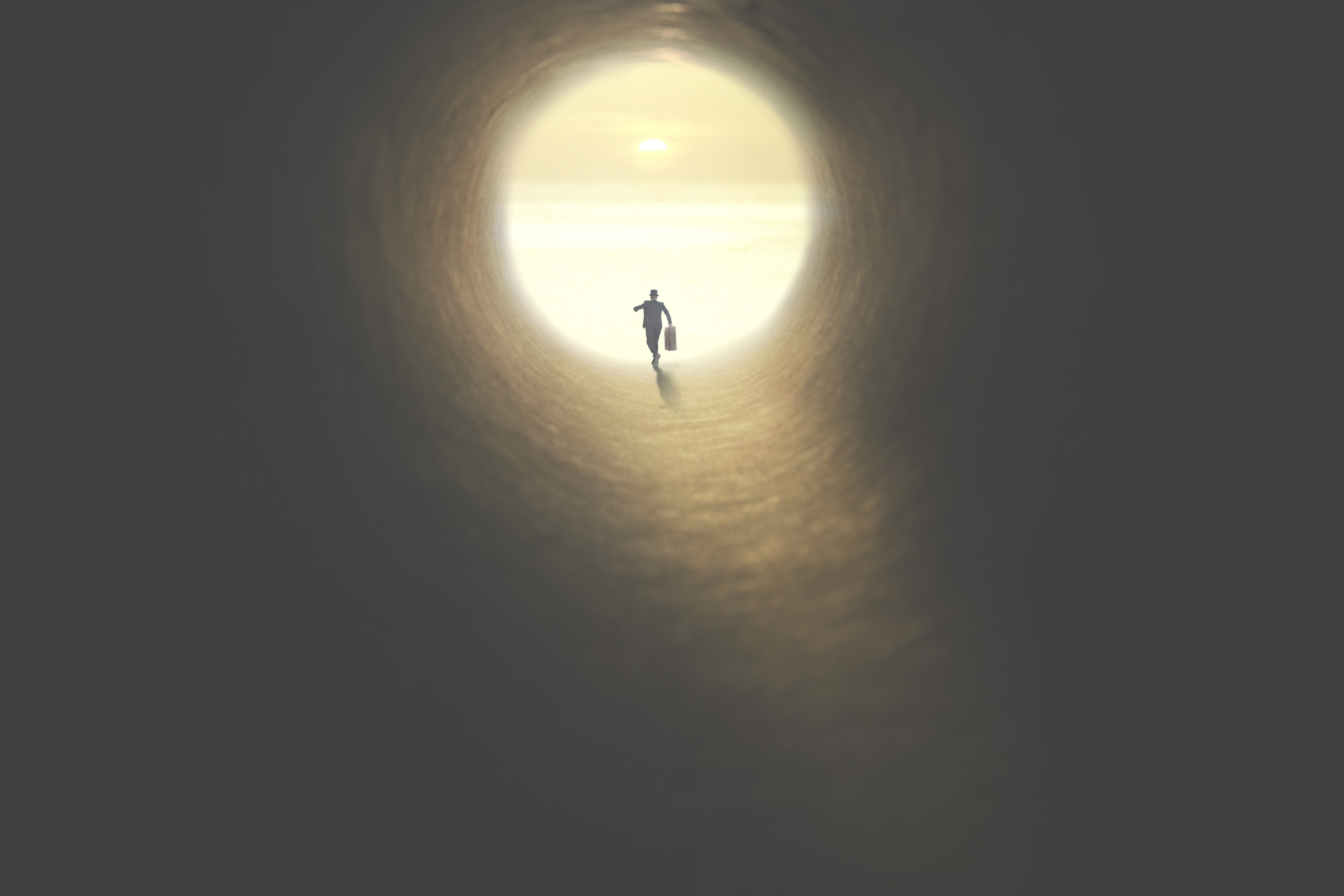
Life can sometimes feel like a dark and endless tunnel with only a glimmer of light barely shining at the end of it. We all know that we’re all going to die one day, but we live on the best we can in spite of this grueling knowledge, and it can get quite easy to fall into despair and wonder what this life is all for. Sometimes it’s worth pondering so we can make some decisions and move our lives in a proper direction while other times it can be paralyzing to even think of it so a lot of us spend our time trying to escape it.

Art can be one of the best escapes we can have to get our minds off this harsh reality of existence. Through art, we get a window into a different reality that fascinates us whether it’s an out of this world fantasy or one that closely resembles our contemporary world but with a sense of heightened drama. This escape can result in relaxation when the art we view can fill us with hope, or at the very least distract us from the humdrum of day to day life.

But what about the dark and cynical artwork out there? Perhaps this art isn’t what you retreat into, rather it’s a safe way to confront existence with its problems exaggerated and dramatized so it can open our eyes to the dangers and darkness of the world. And perhaps its in this staring back at the abyss that we gain the courage to press on despite of how uncomfortable it may be to watch something like Black Mirror or to read a Stephen King horror novel.

Retreating into art for either hope for life, or confrontation with it, can help enrich our lives by providing us positive possibilities and inoculation from its proclivity to give us tragedy and heartbreak.

Renewal From Art

You can experience a hopeful story to fill yourself with hope where you may be lacking or to strengthen the hope you already have. You can also experience a dark story to feel empathized with for your troubles or to simply contrast the joy you feel in your life. Any way you slice it, consuming any piece of art should leave you feeling renewed for life. You either have hope for life, or at least feel less alone knowing that the darkness within you isn’t yours alone. That it’s shared by others who have created something that conveys it.

But if a specific medium or genre of art no longer gives you that sense of renewal, it might be a sign that you need a palate cleanser. Personally for me, for the past decade or so, I’ve been really into heartfelt and schmaltzy dramas after quite a stint with dark and psychological thrillers. It’s indicative of where I was mentally and emotionally throughout my twenties. First, I needed the dark and twisted stuff to wrestle with my own dark and twisted thoughts, but I grew tired of contending with darkness all the time. But then at some point, I decided I wanted to develop more hope and love in my life and personal relationships, so I turned to watching and reading more heartfelt stories to have them model for me what sincerity with others could look like.

This past decade has been quite the thrill ride in terms of my personal growth, and it’s hard to say which came first; the chicken or the egg? Did I turn a new leaf and that’s what made me gravitate toward the schmaltzy stuff so I can relate to something more? Or did the schmaltzy stuff influence me in wanting to improve my emotional health and mindset? Perhaps they worked in tandem with each other, feeding into each other in this positive feedback loop that has resulted in me feeling a huge sense of renewal.

Revival By Art

Getting into a new genre can be quite rejuvenating as the past decade has been for me with the heartfelt emotional dramas. They have inspired me to be more vulnerable and sentimental toward the people I love and it has resulted in a much more fulfilling life than I could ever imagine. It has taught me that life imitating art doesn’t always have to be in the worst ways possible, and that despite being exaggerated and over dramatic, sometimes we do need vulnerable and uncomfortable conversations with our loved ones akin to how they might have it out on an episode of This is Us. For those not in the know, it was a prime time family drama infamous for making people cry and feel things in every episode, I highly suggest you check it out.

It’s actually in my rewatching of all six seasons of This is Us that made me think about this whole notion of Artistic Palate Cleansing. After a decade of deeply emotional stories for me to consume and have them influence me the way that they did, watching This is Us with all of its emotional intensity made me realize something; over the years I’ve had less and less need for art to punch me in the soul emotionally and force me to cry out a lot of my unexpressed grief with life and myself.

As I’ve grown from my twenties and am currently passing my mid-thirties now, I am grateful to be able to say how much of a better place I am in my life now thanks to loads and loads of therapy and support last year. Because of this, the schmaltzy stuff was no longer drawing anything out of me, and I noticed this as I was nearing the end of rewatching This is Us. The poignant moments in that show were still enjoyable to watch, but while a lot of them still hit pretty hard I found myself coming to the decision that I gotta change it up.

And so, as of late, I’ve kind of strayed away from consuming art that revolves around interpersonal drama and got into martial arts films and pro-wrestling. What a huge change up, right? Well that’s the point. I feel like I don’t need to feel anything too strongly from art and that I can just relax and enjoy it, simplistic as these artforms may be. Martial arts films and wrestling have their own level of depth that people don’t notice, but they are still fundamentally simple in nature.

This massive shift in genre preferences has rejuvenated my soul the same way it did a decade ago, or maybe even more so since this deep dive into the more touchy feely emotional and think pieces have increased my appreciation for all forms of art. From the dark and gritty, to the hopeful and emotional, and finally back to what my inner child loves in regards to stylized violence, these fluxuations in tastes have made my experiencing of art all the more meaningful whenever I’ve switched it up.


Roads to Art

There are countless of roads towards experiencing art that suits your tastes and even more so that can expand your tastes. Whatever you decide you’ll know in your heart what is right for you. Get out of your comfort zone and read a book or watch a show you would normally avoid. If not to get into it yourself, to at least see why other people may like it. Even if you fail to grasp what makes something entertaining, try to set aside your ego and not sneer at it and dismiss it as a waste of time. Instead, pride yourself for having opened your mind enough to try something new even if it’s not to your liking.

In the final analysis, the way we choose to experience art is how we choose to confront our own mortality. When an artist creates something, it is their way of immortalizing themselves by leaving something behind before they pass from our physical plane to the next. In experiencing their creations, we too can immortalize ourselves by being born into and dying out of preferences so that the process of acceptance and letting go can become a bit easier with time.

It’s something I’ve experienced time and time again with not only shifts in preferences, but in watching and reading my favourite stories come to an end, either in satisfying ways or dissatisfying ways. Hell, I’d even argue anything with an abrupt ending has helped me come to terms with the end of life because if a show gets cancelled before it gets a chance to wrap itself up, it’s kind of like the lives of some unfortunate souls that pass too soon. They were all in the middle of their lives still with much left to do and say, and like our favourite TV characters that belong to a show that gets cancelled before it gets a chance at having a proper finale, we are stuck with wondering what could have been or simply accepting that although the ride is over, at least the memories remain.

The Beauty of Imperfection

Many artists out there contend with the self doubt and imposter syndrome that they are not good enough to create anything. Other artists skew toward the opposite extreme and think their unreleased work—or released but poorly received work—is just so much better than what’s popular. Whichever way you slice it, art is our attempt at capturing perfection through the execution of our skills and imagination.

But what happens with our skills don’t match up with our imagination? I’ve heard some would-be musicians say they want to make music, but they could never write anything that sounds as good as what they hear in their heads. Or there’s even novelists, some of which I worked with back in my Writing Coaching days, that have fantastic story ideas mapped out in their heads, but have never put pen to paper. What hurt me more were the times I’d help create a mind map of their novels and they’d still refuse to put that organized visualization of their story into manuscript form.

It all comes to self worth and self perception when an artist is either too doubtful of themselves or overly confident about their abilities, that they forget that creating anything of value comes from a place of humility, respect, and authenticity as I’ve outlined before. So today we’re going to look at the top three things that should encourage you get started on that project you’ve only dreamed of:

1. So Many Fundamentally Flawed Works Are Published and Produced All the Time
2. Let That Inspire You to Risk Doing the Same
3. Doing Something Badly is Better Than Not Doing it at All

The World is Full of Flawed Work

You’ve probably heard your friends, online critics, or even your own mentors trash talk a piece of art out there in the world. In fact, that’s usually what we’re bombarded with most of the time; people being discontent with the state of art and literature as opposed to the rare few people out there who have the guts to be earnest with their love for art.

Think of infamous things like the Twilight Saga or basically reality TV (if you can even call that art), and you’ll start to see that the world is full of flawed artwork. Now you can easily pick them apart and say how much better they could be, especially if you’re well educated in your field of creativity, but the real beauty lies in trying to understand why it strikes a chord with some people.

While there are some pieces of art out there that are well known, but not popular at all, and definitely not well received at all, there are super mainstream things that everyone accepts as crap, but it’s loved anyway. Once again, case in point, The Twilight Saga. I remember in my writing class my teacher actually brought Twilight to dissect as it was an easy mark to display bad writing.

But as she was picking it apart for the low hanging fruit that it was, she was also surprised by and remarked on the passages of the book that were actually well written. This got me to thinking; is the book really all that bad or is hating it just a fad as much as it is for middle aged housewives and teenage girls alike to be in love with this romantic violent vampire story?

Upon reading it myself and watching the movie adaptation, I came to the conclusion that the answer is yes to both questions. It wasn’t really all that good as people hyped it up to be, nor was it really as bad as people trashed it to be, but I could see why they might see it that way. Either way, it doesn’t really matter because no matter what the critics say, Stephanie Meyer made a goddamn killing off this series and I’m sure she’s laying in bed at night, wiping her tears with $100 bills because some asshole on the internet said her book sucked.

Even putting money aside as a possible measurement for an artwork’s success and value, the very fact that she wrote these books is already a feat in its own. Writing a novel to completion is hard work. Trust me, I’ve done it, and I’ve yet to publish anything. So while I’m proud that I’ve completed several drafts of several different novels by now which is more than a lot of would-be writers can say, I’m still stumped by the onslaught of other books out there that were published by the sheet courage and determination by those authors. Stephanie Meyer or otherwise.

Let That Inspire You to Risk Doing the Same

So for every piece of got artwork out there, there’s thousands more that suck, but nonetheless they’re out there in the world for anyone to engage in. Crappy movies, shitty books, poorly produced TV shows, etc. This alone should inspire you to get your own work done and do away with what the critics might say. While every creator is different and handles criticism differently, the fact remains that their work is out there whether people like it or not.

In fact, people not liking your work is a guarantee. I’ve had people tell me straight up that something I made was boring and yes that was a huge punch to my confidence. But you know what? I shrugged it off and continued making stuff anyway.

Why? Because unless a critic gives me a valuable suggestion on how to improve my work, then I usually discount what they have to say because maybe what I make just doesn’t resonate with them, and that’s fine too.

If someone does give you useful feedback, it’s worthwhile thinking about and considering. Remember, it’s the mark of an intelligent person to entertain an idea without agreeing to it. This is why it’s valuable to join a critique group or get a mentor because having that outside perspective can really give you perspective on how you can improve.

But whether you take their criticisms to heart or not, what matters is that you create regardless of how you think it’s gonna be received. Of course we prefer people to praise us to high heavens, but you shouldn’t create anything to seek that kind of external validation. Nor should you not create due to the fear of being criticized because that just comes with the territory.

Doing Something Badly is Better Than Not Doing it at All

You can’t call yourself a creator if you don’t create. Even if you create badly, it’s better than being someone who is all talk and no walk. As I’ve harped on preators before, you will already be ahead of the curve if you just decide to work on something that is the expression of your purpose. Whether you express yourself through music or literature, it’s important to get that out of your system rather than letting be an anxiety that builds up over time.

Especially when there’s already so much artwork out there that gets scrutinized from now until kingdom come. Don’t let that stop you. In the wise words of Mr. Rogers:

Whether you’re a hobby artist or a professional one, don’t ever let the quality of your work prevent you from enjoying the process of creating it in the first place. If quality is what you strive for, there are tremendous resources out there that can help you get to the skill level you want to get at. It takes a lot of hard work and patience, and we will talk more about how to develop that patience in a future post!

How to Objectively Measure the Value of Art

You can’t.

It’s all subjective.

See you in the next Meaningful Monday post!

Just kidding, but also not really because although this is how most conversations about art end up, I think it’s worth exploring the conversation killing statement that “art is subjective.” There is a cold hard truth to it that is way more objective than anybody’s subjective opinion could ever be on any piece of art.

Be it a painting, a film, a novel—hell, even video games—anything put out into the world for our consumption and entertainment is subject to being criticized by the masses, assuming it’s lucky enough to reach that wide of an audience. Otherwise, there will always be that dedicated minority who stumbles upon, and actively seeks out, the more obscure art out there to be subject to their criticism.

In today’s post we will explore what it means to criticize art, to converse about it, and to wrap it all up, what art means to all of us at the end of the day. With Your Write to Live being a proponent for fostering creative expression, I thought it would be a good idea to tackle the potentially darker side of creativity where you put your work out there for all to criticize.

Criticizing Creation

First off, I should note that when I say “art,” it is an all encompassing term that refers to not only paintings, but also films, novels, video games, music, and everything in between. Simply put, art is the creative expression of human skill and imagination.

The function of art is to draw attention to certain aspects of the world and the human condition to its audience. Artists do this by being attentive to nuanced details that we may or may not be aware of in our day to day lives. In turn, they highlight these details in their artwork, thus making us hyperaware of these aspects of life that we may not have otherwise noticed, at least not consciously.

A painting can capture how beautifully the sunlight reflects off the surface of a lake, music can capture the sonic expression of human emotion, and a well told story can demonstrate the complexities of human relationships, as well as our unending drive to strive for what we want to achieve in life.

So then to criticize a piece of art is to criticize the world, the artist, and potentially ourselves because of all the thoughts and feelings it may evoke in us. Some pieces of art speak to us while others may not, and there is an endless amount of factors that can affect our experience with every piece out there.

Maybe the piece doesn’t offer anything new or exciting. Maybe it reveals to us that which we do not want to see. Or better yet, a piece itself has been put together so haphazardly that it is hard to tell what it is trying to convey in the first place.

Whatever the reasons are, every piece of art isn’t for everybody. And how can it be? Even when you try to appeal to a mass audience, there will always be those who prefer the more obscure stuff. And on the flipside, there are some pieces of art that—for better or for worse—are so esoteric that only a minority of people will appreciate, let alone understand it.

Depending on what kind of art appreciator you are, you can be veering off to one extreme to another or finding some kind of healthy balance between the both, but at the end of the day, the popularity of a piece does not reflect as a measure for its quality. And even if a small minority of people love a more obscure piece of art with way more passion combined than the masses simple acceptance of what’s in the mainstream, even that becomes a hard thing to measure.

Because how can you measure the value of art?

Criticizing Criticisms

We’ve all had this happen before. We bring up a piece of art that we love and someone else agrees, and together you just go off stating all the reasons as to why that piece of art is “so good.” But then comes along some other person who disagrees and says that that piece of art is actually “bad.” Then maybe you all get a little heated and start arguing over the reasons as to why that piece is “good” or “bad.”

Depending on your debate style and skills, these kinds of conversations usually go in one or three possible ways:

  1. You and the other person endlessly defend your respective opinions and nobody learns anything from anybody.
  2. You and the other person defend your respective opinions and actually start to see the validity of each other’s opinions, while still maintaining your original stances.
  3. One of you actually changes the viewpoints of the other and the opposing party concedes to agree with some, if not all, counterarguments.

If you can achieve outcome number three, I definitely applaud you for your passion and logic because if it is so sound that someone else can finally open their eyes to the light, then hot damn is that a gratifying feeling to have.

And while that’s all well and good, you shouldn’t get too ahead of yourself because at the end of the day, these are nothing but subjective opinions that are barely, if at all, grounded in some kind of objective metric that can measure the value of art.

To beat the dead horse, art is still subjective and it I think I figured out the problem to how you can measure the value of art. It’s something you really can’t do, so the better question we should be asking ourselves is, “why does this person like or not like this piece of art?”

It took me a while to realize this, but basically when someone ever says anything is “good,” or “bad,” it’s just shorthand for “I like it,” and “I don’t like it.” Or to go even further if someone isn’t fully enamoured by a piece of art and they like some aspects, while not liking others, then that’s when you begin to develop a more nuanced understanding of art, and by extension life.

Because art and life are a beautiful cacophony of chaos and order, and a strange balancing act between the two. Not everything can be loved or hated to the most extreme level, or at least for not very long, because nothing is so perfect or so imperfect that there is absolutely no bad or good residing within it.

Art is Who We Are

We are perfectly imperfect beings with so many idiosyncrasies about ourselves that only we may ever truly understand within ourselves. Close friends, family members, or even extremely good therapists can definitely try to understand you as much as they can, but at the end of the day, only you know the true meaning of what any piece of art does for you because of your own unique lived experience.

Anyone who tells you that they know you more than you know yourself is really just getting too in love with their own genius in seeing some of your blind spots for you, but they don’t know the whole story or see the whole picture that is you. If anyone ever makes this claim about you, I would suggest you develop some skepticism and learn to know yourself better so you can learn how egregious that claim can be whenever anybody makes it.

You and only you can truly know yourself. It’s not up to anyone else, but you, and the way in which you relate to art is one of the best ways to get a better understanding of yourself. Begin to ask why you are drawn to certain genres, styles, and themes in art, and you’ll quickly learn what you truly value in life.

If you love horror, perhaps you enjoy confronting your fears head on.

If you love romance, perhaps you’re a romantic person in love with the concept of love itself.

If you love fantasy, perhaps you value the courage it takes to embark on an epic adventure.

Whatever your personal preferences are in art, they speak to you because in a way, they also speak for you, expressing all the inner workings of your being in visual, auditory, and conceptual fashion. You can tell a lot about somebody’s psychological make up based on what kind of art they consume, but again only they truly know themselves enough while you on the outside can only speculate so much about them.

And this is why a lot of conversations about art can devolve into petty debates about what’s good and bad, especially your taste in it. I was like this for a long time too where I mistook criticisms of my favourite art as a criticism of myself, just as much as it would be to have my own creative work criticized as well.

Art is Who We Are and it’s no wonder why we take our preferences seriously at times. I’m not in the business of telling you whether or not you should be offended if someone takes a jab at your favourite stuff, in fact there are some people out there who make it a point to make fun of their own favourite stuff, possibly because being full out positive about it might be seen as too fanboy-ish or fangirly.

But honestly, if you’re in love with a piece of art, paint the town with your love for it because art is what makes life more meaningful and definitely way more worth bearing with. It beautifies our lives with its attention to details we otherwise would not notice had artist not take the time to express themselves and embellish those details.