The Four Pillars of Fiction Part 2: Characters

Your story’s objective is only as powerful as the characters that convey it.

Each member of the cast must represent opposing sides of the main argument, thus providing several different angles to perceive your story’s philosophy.
130731-F-IP756-010

I’ve already written a couple of other posts about characters, both of which you can check out here for more:

Crafting a Character Series

Goal, Motivation, and Conflict

–but for today, let’s focus on why characters  should be as extensively explored as I have in previous posts.

Me, Myself, and Who Am I?

Fundamentally, every story’s main character is on a quest to achieve self-knowledge. This goes for both putty characters and pebble characters. Think of throwing a pebble at a wall, the physical structure of the pebble remains the same, whereas throwing a blob of putty will cause it to reform.

That’s what characters experience; being thrown against a wall, so to speak, and they either change or don’t change throughout the course of your story. Either way, their purpose remains the same; to argue for one or several sides of the objective.

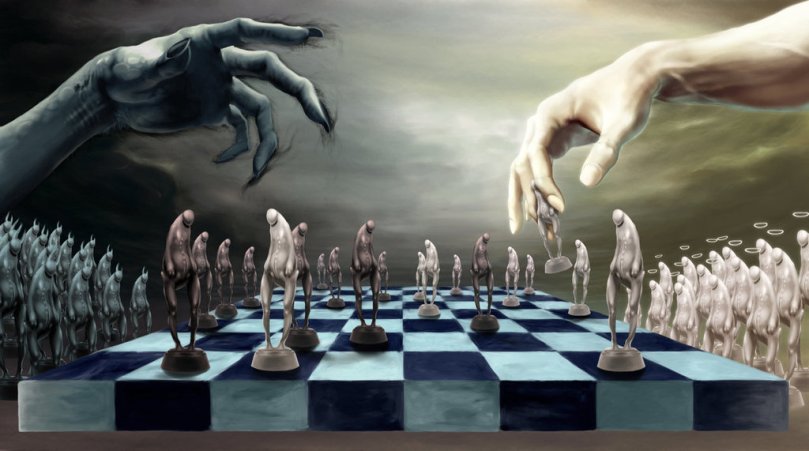
I know that there’s a plethora of stories where morality is ambiguous (and that they’re usually much more interesting), but for the sake of simplicity, let’s take the basic concept of Good vs Evil to illustrate how characters argue for each side. And by argue, that could mean verbal or physical combat, or in just the way that they conduct themselves.

Generic Good Guy is a law abiding citizen, doing some good for his friends, family, and community. Everything he does in the story is for the benefit of others or for himself without hurting anybody except possibly…

The Typical Bad Guy whose sole purpose is to watch the world burn. He causes destruction everywhere he goes, expressing his preference to be evil and not care about hurting others because it’s what he intends anyway. Generic Good Guy may hurt other people unintentionally, but he usually owns up to it, while Typical Bad Guy has no remorse for the pain he causes.

In this basic story dynamic of Good vs Evil, the argument is (usually) that good triumphs over evil, all the time.
chess_good_vs_evil_by_thewhysoserious91-d5tm81c

Who Would You Be Without Adversity?

To convey this, Typical Bad Guy will have to test Generic Good Guy on the grounds of his ethics, philosophy, strength, and integrity by throwing obstacles in his way. Perhaps Generic Good Guy’s objective is to a safe and adjusted life, but TBG is getting in the way of that by hurting GGG’s social circle and disrupting his day to day life.

It is through adversity where Generic Good Guy will discover or grow into a force for good. If he’s a putty character, maybe he’s a weak underdog type who has to train in order to defeat the almight Typical Bad Guy. Or perhaps he’s a pebble character that has strength and prowess, but hasn’t had the chance to exercise any of it because he hasn’t been challenged yet.

In either case, the end result is the same. The character has developed some level of self-knowledge by fighting for what he believed in, whether he won or lost against his opposition. He now knows what strength he’s capable of, or made himself capable of it through hard work and determination.

Pouring Some Sugar in Generic Brand Oatmeal

Now, that was a very very basic example I had to keep simple in order to elaborate on a more complex concept. Stories these days have many more layers in their examination of the objective, and even more layers in their characterization.

Ultimately, characters are meant to represent several sides of an objective, and they do that by trying to express their personal preferences, only to have them attacked or dismissed by the other characters.

The key ingredient to conveying Objective is having characters disagree with each other and fight over who gets to assert their preference, or if any common ground can be met between them in less black and white type of stories.It is through disagreements between characters that we are given the opportunity to passively experience different sides of an argument–and decide for ourselves which characters we agree with, if any at all.

Stay tuned for The Four Pillars of Fiction Part 3: Setting…

The Four Pillars of Fiction Part 1: PLOT

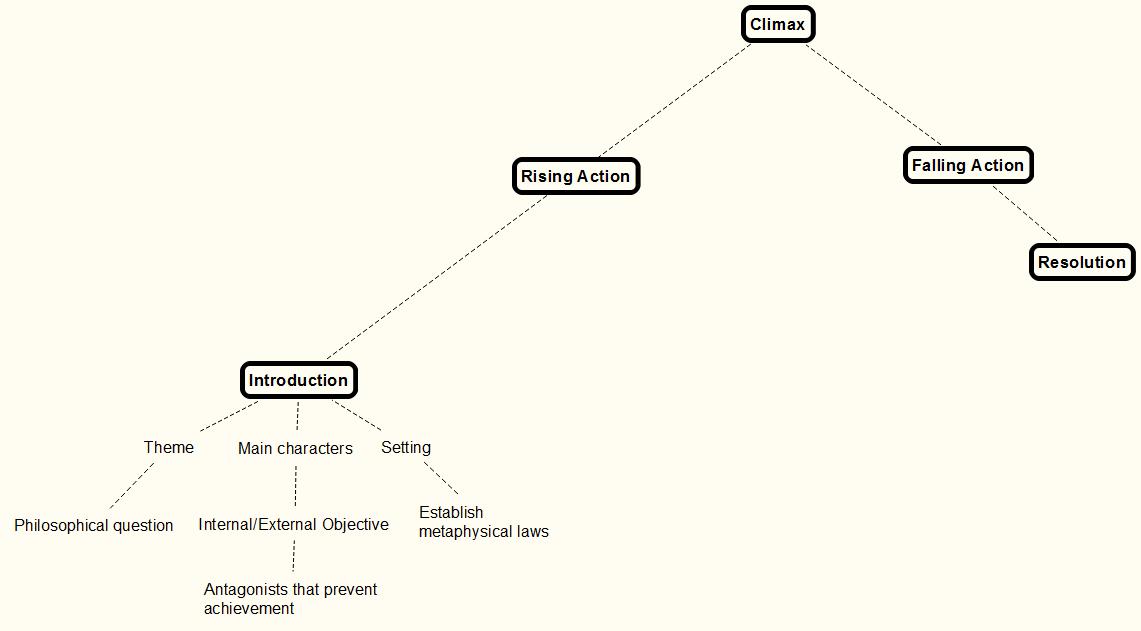
You may be familiar with this basic outline of what a plot graph looks like, and it is nice for writing a basic outline for a story.

Basic Plot

However, this is just a skeleton and we should add some layers to give it some flesh and bone.

What Plot Stands For:

People
Location
Objective
Tenacity

Just like The Four Pillars of Fiction, these are The Four Pillars of Plot that uphold the structure. You need people in a location with an objective to tell a story, along with some tenacity to make that story worth telling.

Fundamentally, you need characters to exist in a physical space in which to act out their drama, and drama only unfolds because these characters have conflicting goals and motivations that prevent each other from getting what they want.

Objective

They may either deliberately want to prevent each other from achieving their goals–as is the case with the simple black and white, good guy vs bad guy stories–or they may even be of the same alliance with differing opinions and preferences that get in the way of them finding unity.

When it comes to your plot’s objective, what kind of message do you want to convey about the world? Is there an aspect of reality you want to capture and illustrate? Is there an ideal version of the world and human behaviour you want to propose? What is it that you want to say about our state as a species?

That is your Objective.

Creators of art, whether they’re conscious of it or not, will always end up injecting their personal philosophy into their work and use it as a tool to convey the different angles in which they perceive people and the world at lage.

There’s no way around it, characters will always have an objective, whether miniscule or grand, they want to accomplish something. Even a story about a guy who just lies around his apartment all day has the objective of…wanting to do nothing and there are some deep rooted reasons beyond “because he just wants to.”

Maybe he’s depressed and doesn’t want to go out, or he’s been out too much and he needs time to himself? Objective in stories are inescapable.

So to add that layer to our basic plot graph skeleton, it should look like this:

Plot With Objective

Tenacity

But that’s still not enough. A story needs Tenacity. Some high (or sometimes low) stakes to keep you at the edge of your seat, biting your nails, waiting to see what happens next.

The rule in life applies to fiction as well: no risk, no reward. The characters need to be at risk of losing something or we won’t be interested in them striving for anything. Surely, there are stories that are risk and conflict free, but with risk comes curiousity. Without risk and conflict, there really is nothing to be gained from it.

We want to be wondering how characters will survive dire situations because we consume fiction to not only root for these portrayals of the human ideal, but also to live vicariously through them. It’s through stories where we can safely experience what it’s like for someone to commit to their Objective and have the Tenacity to achieve it.

Compare these two stories:

“I went to work, did my job because I wanted to make money, and then I came home.”

vs. “I went to work hungover, it was very busy, I could have called in sick, but I need to make rent so I can lie around my apartment all day.”

What’s the fundamental difference between these stories? They both have goals and motivations, but the second one has conflict that requires some overcoming. That’s what we relate to when we experience stories.

This is what a true plot graph would look like with my full PLOT system in place:Plot With Tenacity

I’ll let the graph speak for itself, for there’s much much more to cover in the next three entries.

Let me know if you would like for me to elaborate on any of the additions made in this chart, and I’ll gladly save the exploration of them in a future post.

Stay tuned for The Four Pillars of Fiction Part 2: Characters…


Gamer, Know Thy Self: Part 3

maxresdefaultGamer rage is such a common phenomenon that there’s a YouTube character dedicated to everyone who has lost their shit at a video game. The Angry Video Game Nerd (one of my influences for BSBS Reviews) embodies the vile, cathartic, and sometimes embarrassing expression of our inner most rage. His portrayal of an adult man playing the games of his childhood and getting angry at them has resonated with many gamers of today because they can relate to the frustration of losing control over something that was meant to be fun.
Whether playing alone or with others, playing games of your youth or current generation games, it can be debilitating to feel unskilled and helpless as you see your virtual avatar get pounded by the difficulty of the computer or human opponent. While not every expression of frustration with games is not as extreme as defecating on a game cartridge (or disc since who puts games on cartridges anymore?), cursing at your screen, or even cursing at someone over Xboxlive, PSN, or TeamSpeak–you do not have to let your emotions get the best of you, thus preventing you from enjoying what you’re supposed to find enjoyment in.

Respecting Emotions

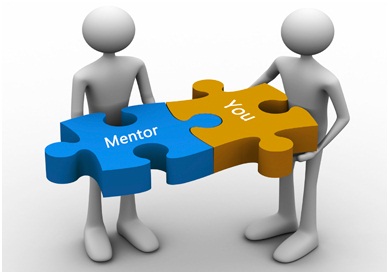
mentorIn addition to gauging your opponent’s skill level, I think it’s important to gauge their emotional reaction to your superior skills, if you have much more familiarity and skill in a game. Some people prefer that you go hard at them so they are forced to pick up the game faster, while others prefer that you take it easy on them so that they have room to try out different moves and strategies.

I think gaming can have a huge effect on your capacity for empathy when you are significantly more skilled than someone else. If someone is playfully cursing your skill and laughing at their own losses, then you know that they are okay with losing, whereas if they are cursing your skill and getting angry at their losses, you can provide the option for you to ease up whether implicitly or explicitly. You can just as easily ease up a bit and play less aggressively, or just talk to them about what they would prefer–and of course, ask if they want any feedback on how to improve.

Recently, a friend of mine has noticed me playing Brawlhalla on Steam every time we were both online and took an interest in playing it as well. It was quite a different experience to be direct about what he would prefer, and since this approach to gaming with someone less experienced with me is new, I am constantly surprised by what people prefer. In either case, it is a pleasure to have the offering of feedback accepted because another value I found out of gaming is getting to mentor someone who is willing to learn.

Like me befriending people online who are galaxies better than me at the game, my friend was open to learning the nuances and techniques that can help him gain a better understanding at what the successful players know how to pull off in order to increase not only their skill level, but also the level of fun they experience. I don’t know about you, but personally for me, I feel a sense of badassery when I can execute complex and technical abilities in the good ol’ vidya.

Whenever you feel frustrated, I would suggest taking a moment to become fully aware of how you feel and what you’re thinking of at the moment. Was there something you can do better or is someone playing too aggressively? While not every superior player will be as friendly as me or the other guy I mentioned as to lend a helping hand for you to improve, I think it’s important to gauge right away what kind of player they are.

You do this by asking for feedback, and if they give it, AWESOME, but if they don’t, and instead add insult to injury FUCK ‘EM! Move on, do not engage in a troll war because getting into a heated exchange with another player is a giant waste of time. That time could be used for playing another match, getting advice, reading or watching strategy guides. These are much better alternatives to letting your blood boil and burn you up inside.

Video-Games-are-Good-for-you-e1426083812512Always respect your feelings when gaming and know that you need to stop, take a break, and do something else whenever you feel overwhelmed by any crushing losses you experience. Check in with yourself and see if your frustration has anything to do with something else in your day, harsh words from other players, or if you’re just really not in the mood. Ponder on your motives for playing because if you’re playing to win and expect nothing else, it can obviously be aggravating.

Another thing that helped me undo the personalizing of my losses was remembering a time in my childhood where my cousin destroyed me in Mortal Kombat 3 to the point where I couldn’t even do a single move. I was so excited to rent and play this game for the weekend and he just totally rekt me then when straight to dinner with my brother and the rest of the family.

Me? I stayed in my room, played two player alone, using the character he picked as a training dummy to just beat on. I was really upset back then and I recalled this memory somewhere deep in my psyche when I had a serious fit losing at Soul Calibur IV. Knowing that this instance may have been what created a trigger in me in an early age has made me more self aware about how I react to gaming.

While I can’t say I’m fully chill about getting rekt in a game, I have much better anger management having realized that a lot of my anger had to do with that childhood memory–and of course adapting the new approach of requesting feedback on improvement.

So if you’re no longer having fun and just mashing buttons away, expecting your blind rage to get you a win, and then of course end up getting destroyed even more, remember that you don’t have to keep playing if you don’t want to. Who says you have to? Put the controller down, take a break, relax, and maybe even journal about what’s going on for you.

Yeah it sounds weird at first, but I think gamer rage is so common that it’s time people address how destructive it is for your health and enjoyment of a game (or lack thereof). If more gamers, if not everyone of them, can start developing self-knowledge through video games and respecting the gaming tenants I’ve covered in this blog series, there could be less gamer rage and much more fun as video games were intended for.

454509-video-games

Crafting a Character Part 3: A Better Tomorrow

photocredit: http://www.gorampup.com

We’ve taken a look at how our present lives are defined by our pasts, and to come full circle, we will delve into breaking the shackles of history and achieving freedom in the future.

As always, characters are driven by Goal, Motivation, and Conflict. All three keys play an important part into unlocking the potential that resides in all of us, fictional and real people alike. Here is how GMC is considered in a character profile:

The First Day of the Rest of Your Life

Main Desire: 

Desires drive all action, purpose, and intention. Having a clear understanding of your desires is fundamental to understanding what steps you need to take toward leading a fulfilling life, as well as providing value to the rest of the world.

Even if your initial desire is what propels you into action, the desire may change over time or evolve to something else based on how much you want to achieve. Sometimes you do get what you want and realize you desire so much more than you ever realized.

#16thingsithoughtweretrueSuch is the case for Morgan from #16Things I Thought Were True by Janet Gurtler. After her mother suffers a heart attack, Morgan gathers the courage and tenacity to ask about the biological father that was absent throughout her childhood.

At the start of the story, Morgan sets out to gain 5000 Twitter followers, while having 0 friends in the physical world because she feels alienated after having an embarassing video of her dancing in boy’s underwear going viral.

Due to certain circumstances, Morgan is forced to allow two of her co-workers, Adam and Amy, to accompany her on a road trip to seek out her biological father.

Although confronting him is her initial desire (as well as amassing a ton of Twitter followers), Morgan develops a bond with Adam and Amy; two co-workers she had barely liked or understood at a personal level before their heart warming–and sometimes gut wrenching–road trip together. Her true desire all along had been garnering connectivity, and it didn’t have to come from her long lost father.

What are your main desires? Have you achieved them only to realize there was something more meaningful out there? What steps are you taking today in order to achieve these goals in the future?

Major Strength:

Another important aspect of characterization is having strengths that contrast a character’s vulnerabilities. Many protagonists are victims of circumstance which drives us to sympathize with them, but in order for us to even want to root for them, they need to have major strengths that can help make them more appealing.

photocredit: http://images.idiva.com/

In the hit series How I Met Your Mother, Ted Mosby goes on a seemingly unending search for his soul mate. He starts off as a desperate lovelorn who just can’t catch a break because his desire often becomes a part of his major flaws.  Having this desire starts off as a way to avoid himself and have him develop the mentality that he is nothing without somebody to love.

However, throughout the course of this dramatic rom-com, we learn that he has a big heart and he’s deeply invested in his friends. The love that he provides for them transforms into love for himself and discovering his own value as an individual before meeting The Mother/Tracy McConnell.

Ted Mosby’s strength is his ability to love and his hopeful spirit, but it took transmuting it for himself and for what he already had in order to achieve his goal; meeting a woman who more or less resembles a combination of all his friends.

What are your major strengths? How do they play a role in helping you achieve your desires? 

Perpetual Passion and Main Mission:

The mark of a strong character is intertwining their personal desires with their major strength in order to contribute something to the world at large. People who want to make a difference in the world, or at least in their immediate world (interpersonal relationships), are always challenged by people who want to keep things the same and not improve the state of the world.

Having a mission and commiting to it is admirable because it’s the ultimate test of character to offer your gift to the world, despite of its initial reluctance to accept it–when ironically, the world may so desperately be in need of your gift.

dark-knight-rises-batman
Photo Credit: http://www.playmakeronline.com

Batman, despite all his violent brutality serves as a good example for a character rooted in their principles. He’s committed to fighting injustice, but will never ever kill criminals.

He believes anybody can be redeemed and sees the possible good in others all despite of the hatred he has for his parents’ murderer (which changes depending on which reiteration of the Batman story you read, watch, or play).

I could just as easily use a character who embodies the purist level of virtue, but I think Batman serves as the best example because he’s still fundamentally flawed being so addicted to enacting violence, and only stopping short of actual murder. It’s debatable whether or not he creates more villains than he puts away, but one thing is for sure: he is committed to his perpetual passion for fighting crime as his main mission.

What are you passionate about? What’s your main mission? What mark do you want to leave in the world and why do you think it’s important?

Crafting a Character Part 2: It’s All in the Past

photocredit: http://ivylaartista.com/

In the previous installment of the Crafting a Character series, we took a look at how characters think and behave in the present. What usually shapes those behaviours and attitudes is their past.

Backstory is the cornerstone of all character development because it’s in the past where almost the entire identity of a person is formed. Whether you’re creating the backstory of a character, or looking at your own history, the past has a ton of answers for your questions about the present and the future.

 Why Can’t You Just Let It Go?

Main Shaping and Influencing Incidents: 

Usually in childhood, but not always, we’ve all had significant moments in our lives where our views of the world and of ourselves were changed forever. These incidents range from being tragic, comical, or inspiring. Either way, discovering the life changing events in your own life, or creating one for your character, can drastically improve your understanding of what may drive a person to behave the way they do in the present.

photocredit: http://www.nohomers.net

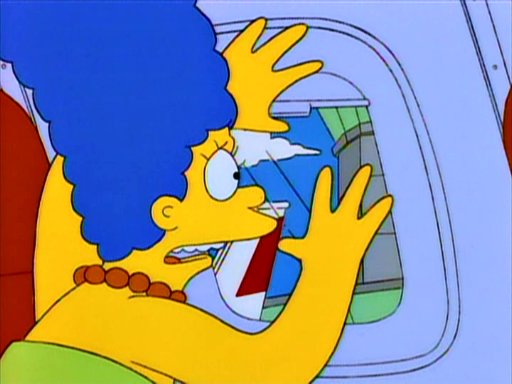
In a classic episode of The Simpsons, the family wants to go on vacation, but when their plane is about to take off, the family learns that Marge has a fear of flying. “Let me off the plane,” she says and then starts pacing down the aisle back and forth.

“Let me off! Let me off! Let me off!”

Marge starts going to therapy and at the end of the episode, she uncovers childhood memories she must have locked away for years.

She recalls thinking that her father was a pilot, and child Marge follows him into a plane to find out that he was a stewardess–which was a rare occupation for men in the 60’s–and the embarassment of her father working a woman’s job apparently traumatizes her into having a fear of flying.

There were a few more adverse memories she recalled, and those were the ones that seemed more logical in explaining why she had the fear, but I won’t go into detail about them here. Just watch the episode, it’s hilarious!

Can you recall any traumatic events that have fundamentally wounded you for life? Or do you have any memories of being significantly inspired by someone that motivate you to this day? How have any of these influencing incidents impacted the way you behave in your present life?

Relationship With the Family: 

Your family is your first experience of what it’s like to be in a social circle, particularly in your formative years. The way you relate and interact with your extended family helps you develop the social skills (or lack thereof) that which you bring in to the rest of society, be it at school, post-secondary education, work, and the market place.

More importantly, your parents’ marriage vastly influences your ideas of love, marriage, and friendship. And depending on the bond you have with your parents–whether it’s strong, weak, or non existant–you’re automatically subjugated to either replicating or replacing your experience of them.

photocredit: http://www.wallpaperpanda.com

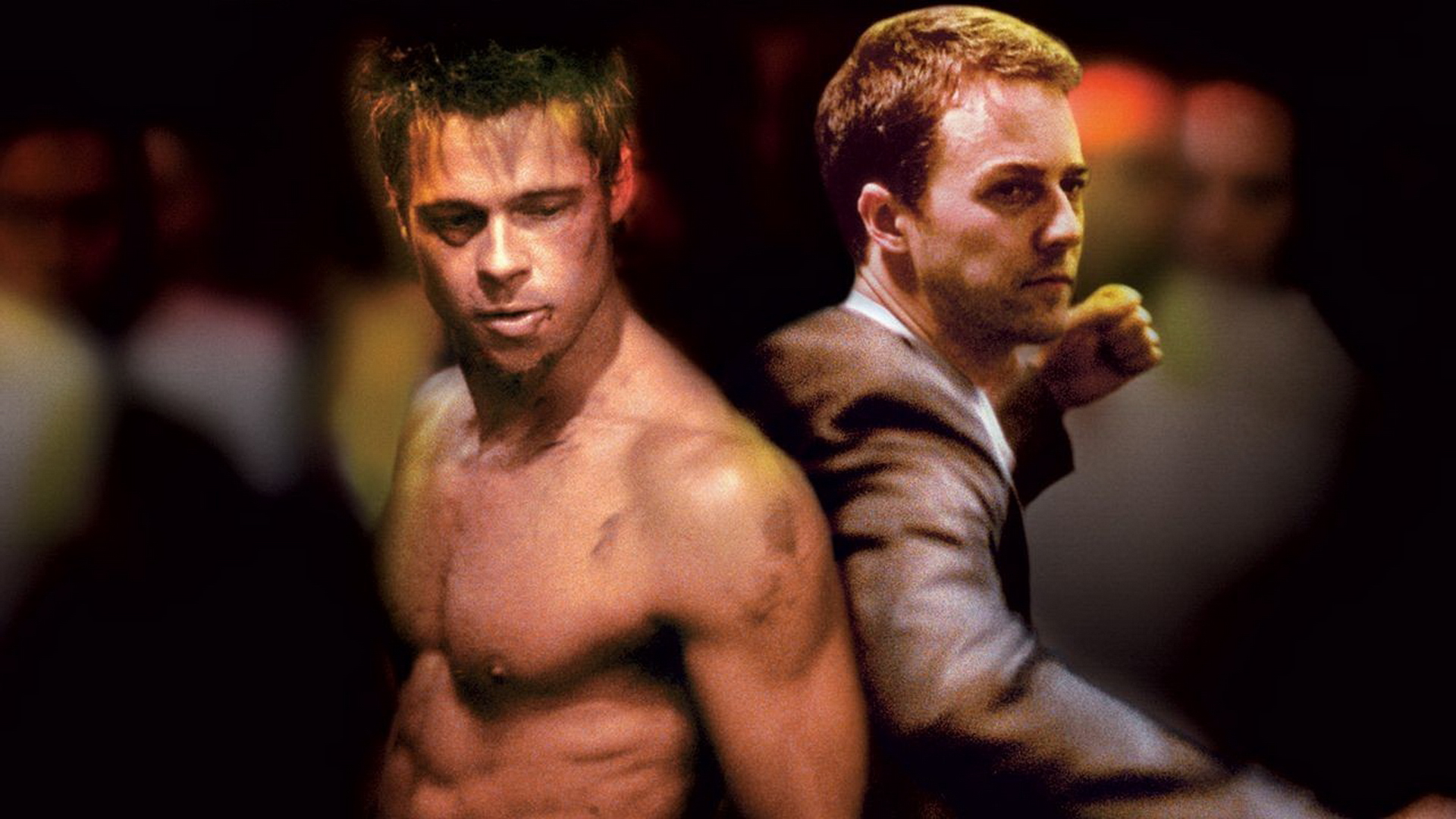
The nameless narrator in Fight Club by Chuck Palahniuk grew up, for the most part, without a father. So when he befriends the wise and witty renegade Tyler Duren, he looks up to him as a father figure.

When they start living together, Tyler gets into a sexual relationship with Marla Singer, a woman the nameless narrator met at a bunch of support groups. This becomes a recreation of the narrator’s childhood in that he never sees Tyler and Marla in the same room together, and becomes the middleman of their interactions–thus recreating his experience with his parents before they got divorced.

Furthermore, the underground Fight Club would not be possible had its members had their fathers around, or meaningful bonds with them if they were around for their childhoods. It’s well established among psychological circles that fatherlessness causes a variety of societal and psychological problems.

What template for romance have your parents imprinted for you? What relationship do you have with your extended family? How have these affected your mode of interaction with the rest of society?

Where They Grew Up:

From your country of origin, to your economic status growing up, and your childhood home, where you grew up also greatly defines how you’ll fit in to the rest of society.

The-Fresh-Prince-of-Bel-Air-1x01-The-Fresh-Prince-Project-the-fresh-prince-of-bel-air-20895611-1536-1152In West Philadelphia, born and raised, is where the Fresh Prince spent most of his days. But as you know by the title sequence theme song, he got in one little fight and his mom got scared, so he moved in with his uncle and auntie in Bel-Air.

What made this sitcom so great was how Will Smith’s care free and eccentric hood mentality clashed with the prestigious and more “dignified” culture of upper class Los Angeles.

This made for an interesting conflict with Will trying to behave in a way that was acceptable to the culture, while also staying true to himself. Though, the funniest parts of Fresh Prince for me was when he was free to be himself around rich and pretigious people, and they welcomed him with open arms, thus showing that cultural division can be torn down if both parties are willing to be friendly.

Are your current living conditions different from how you grew up? If so, what has this contrast done for your sense of identity? If not, was it a conscious choice to remain comfortable with the familiar or do you intend on breaking the cultural barrier?

Stay tuned for Crafting a Character Part 3: A Better Tomorrow